Before you go
Weather in Poland by month – the best time to visit and what to pack
Poland has four distinct seasons. Here is what to expect each month in the cities, by the sea and in the mountains – and what to put in your suitcase.
The climate in a nutshell
Poland has a temperate climate with influences from both the Atlantic and the continent. In practice that means four clear seasons: cold, often grey winters; short, changeable springs; warm summers with occasional thunderstorms; and autumns that start golden and end damp and dark.
- The coldest month is January, with daytime highs around 1–2 °C and nights below freezing.
- The warmest month is July, with typical highs of about 23–25 °C – but heatwaves above 30 °C are increasingly common.
- The wettest months are the summer ones, when rain often comes as short, heavy showers or thunderstorms.
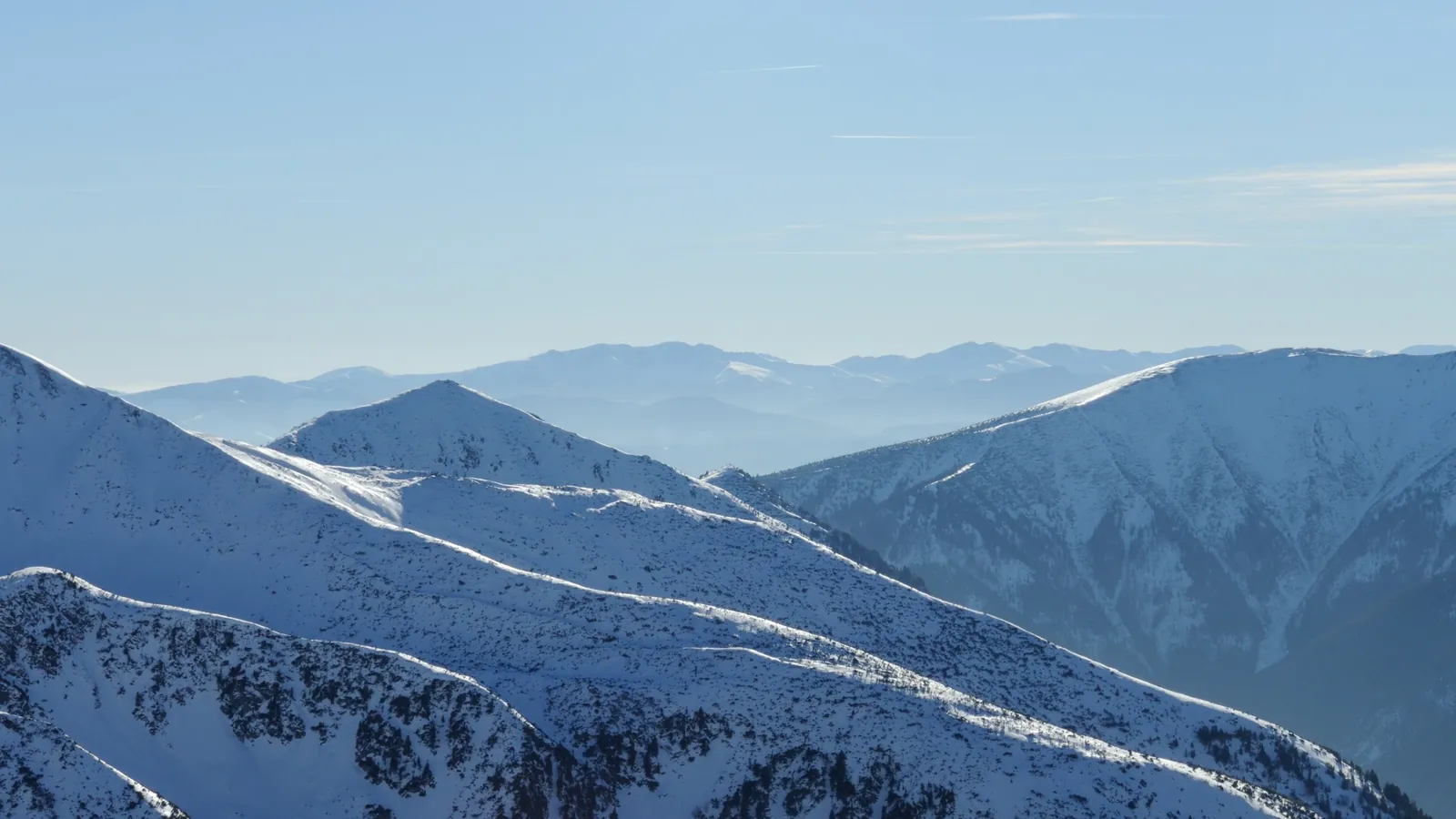
- The south (Kraków, the mountains) is wetter than the north and has more snow; the coast is milder in winter and cooler in summer.
- Daylight changes a lot: in December it is dark by about 4 pm, while in June it stays light until after 9 pm.
Month by month
Average daytime high / night-time low in °C, 1991–2020.
| Month | Warsaw | Kraków | Gdańsk | What to expect |
|---|---|---|---|---|
| January | 1 / −4 | 2 / −5 | 2 / −3 | Coldest month; frost, some snow, short days |
| February | 3 / −3 | 4 / −4 | 3 / −3 | Still winter; ski season in the mountains |
| March | 7 / −1 | 8 / −1 | 7 / 0 | Thaw, mixed sun, rain and late snow |
| April | 15 / 4 | 15 / 4 | 12 / 4 | Spring arrives; weather changes by the day |
| May | 20 / 9 | 20 / 9 | 17 / 8 | Green and pleasant; one of the best months |
| June | 23 / 12 | 23 / 12 | 20 / 12 | Long days, warm, first thunderstorms |
| July | 25 / 15 | 25 / 14 | 23 / 14 | Warmest and busiest; showers and heatwaves |
| August | 25 / 14 | 25 / 13 | 23 / 14 | Summer holidays; best month for the Baltic |
| September | 19 / 10 | 20 / 9 | 19 / 10 | Mild, fewer crowds; a favourite with visitors |
| October | 13 / 5 | 14 / 5 | 13 / 6 | Golden autumn early on, then cooler and wetter |
| November | 7 / 1 | 8 / 1 | 7 / 2 | Grey, damp and dark; the quietest month |
| December | 2 / −3 | 3 / −3 | 3 / −2 | Christmas markets; cold, sometimes snowy |
The best time to visit
- For cities: May–June and September are the sweet spot – warm enough for walking, fewer crowds than in July and August.
- For the Baltic coast: July and August. The sea stays cool even in high summer, so it suits hardy swimmers.
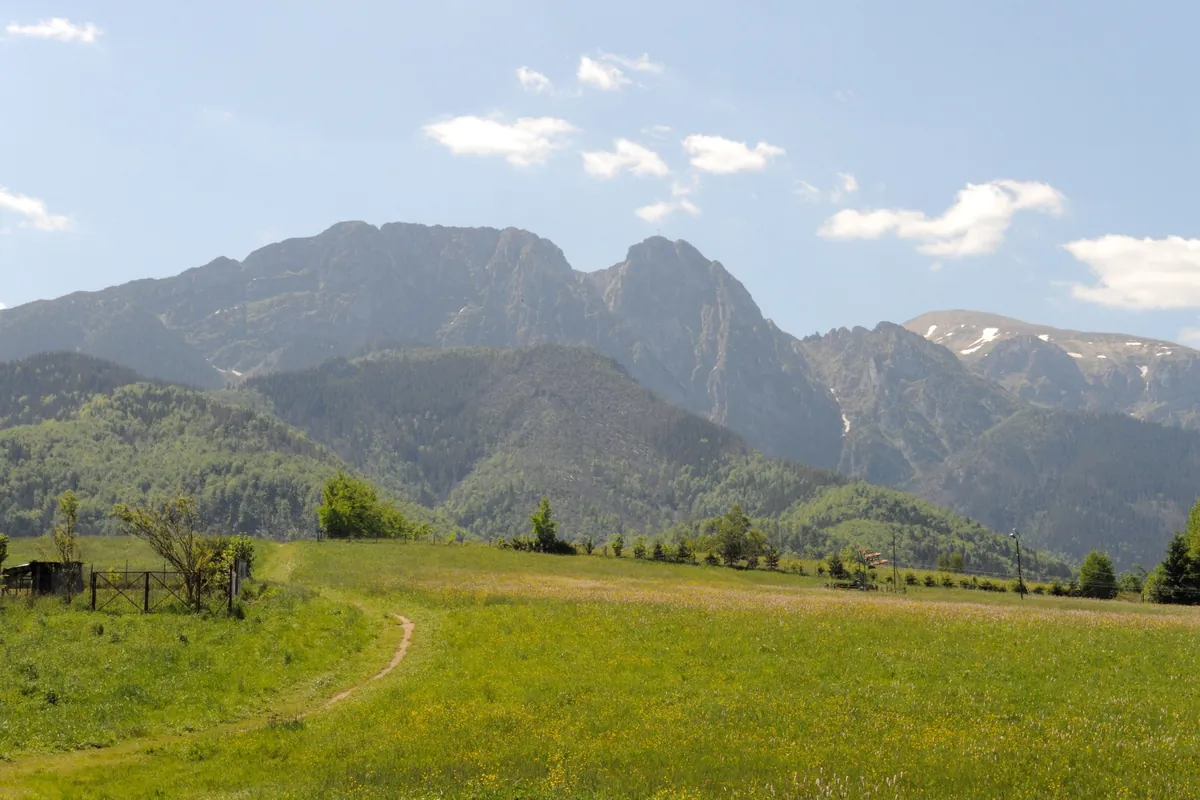
- For hiking in the Tatras: late June to September; snow can linger on high trails into June.
- For skiing: December to March, with the most reliable snow in January and February.
- For Christmas markets: late November to December (Kraków, Wrocław, Gdańsk and Warsaw have the best-known ones).
What to pack
Winter (December–February)
- A warm, windproof coat, hat, scarf and gloves
- Waterproof shoes or boots with a good grip – pavements can be icy
- Thermal layers if you plan to spend long days outside or go to the mountains
- Lip balm and hand cream: the air is dry indoors, where heating is strong
Spring (March–May)
- Layers you can add and remove: T-shirt, jumper, light jacket
- A compact umbrella or rain jacket
- Comfortable walking shoes; old towns are paved with cobblestones
Summer (June–August)
- Light, breathable clothes, sunglasses, sun cream and a hat
- A light jacket or jumper for cool evenings, especially by the sea and in the mountains
- A rain jacket for sudden thunderstorms
- Insect repellent if you are going to the lakes or forests
Autumn (September–November)
- A warm jacket and layers; by November you will want a proper coat
- Waterproof shoes and an umbrella
- Something smarter for evenings out: Poles tend to dress up a little for theatres, concerts and good restaurants
All year
- Clothing that covers shoulders and knees if you want to visit churches
- A plug adapter for Type E sockets (230 V) if you come from outside continental Europe
- Comfortable shoes – you will walk more than you expect
Weather forecasts
The official Polish weather service is IMGW. For the mountains, check the forecast and avalanche warnings before every hike – conditions in the Tatras can change within an hour.
Sources
- Climate normals 1991–2020 for Warsaw, Kraków and Gdańsk, compiled by BlueGreen Atlas from national weather service data
Prices and opening hours change – we re-check them regularly. Spotted something out of date? Let us know.