Start here
Before you go: Poland, explained for first-time visitors
Most people arrive expecting a quick city break – and leave with a list of places they still want to see. Poland has that effect: Gothic squares that stay lively long after dark, forests and lakes an hour from the city, and dinners that make you check the bill twice – in a good way. It is easy to love and, once you know a few local habits, easy to get around. Here is why it wins people over, and what to know before you come.
Every year the Polish Tourism Organisation asks foreign visitors what they made of their trip. The answers are remarkably warm:
Nearly everyone agreed that Poland is worth visiting and has a rich history and heritage.
That matches what you hear from friends who have been: Poland surprises people. It is easy to get around, good value, full of history and more relaxed than its reputation suggests. Below are the things visitors love most, followed by a short introduction to the country and the practical basics.
Why people fall for Poland
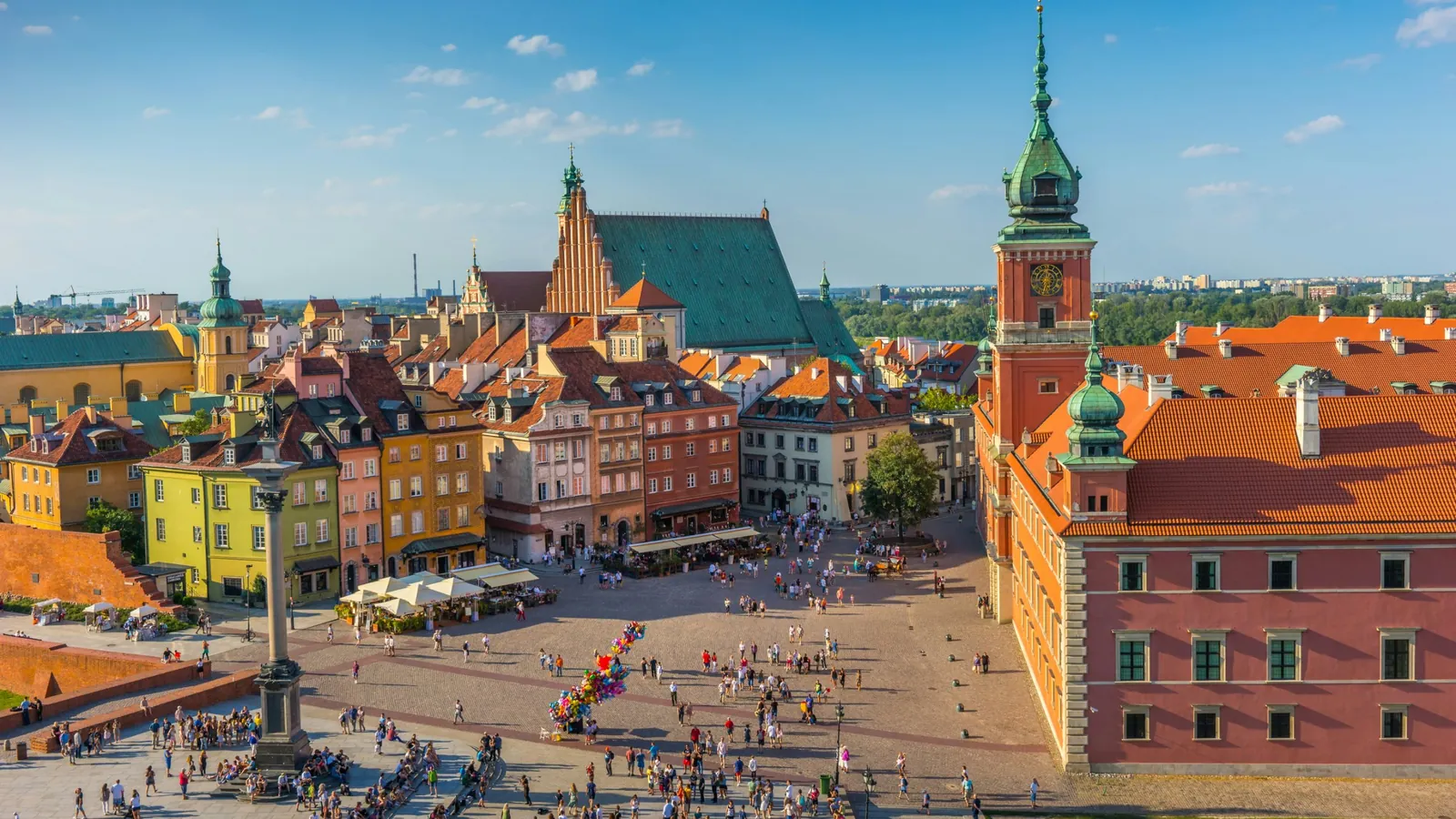
Old towns made for wandering
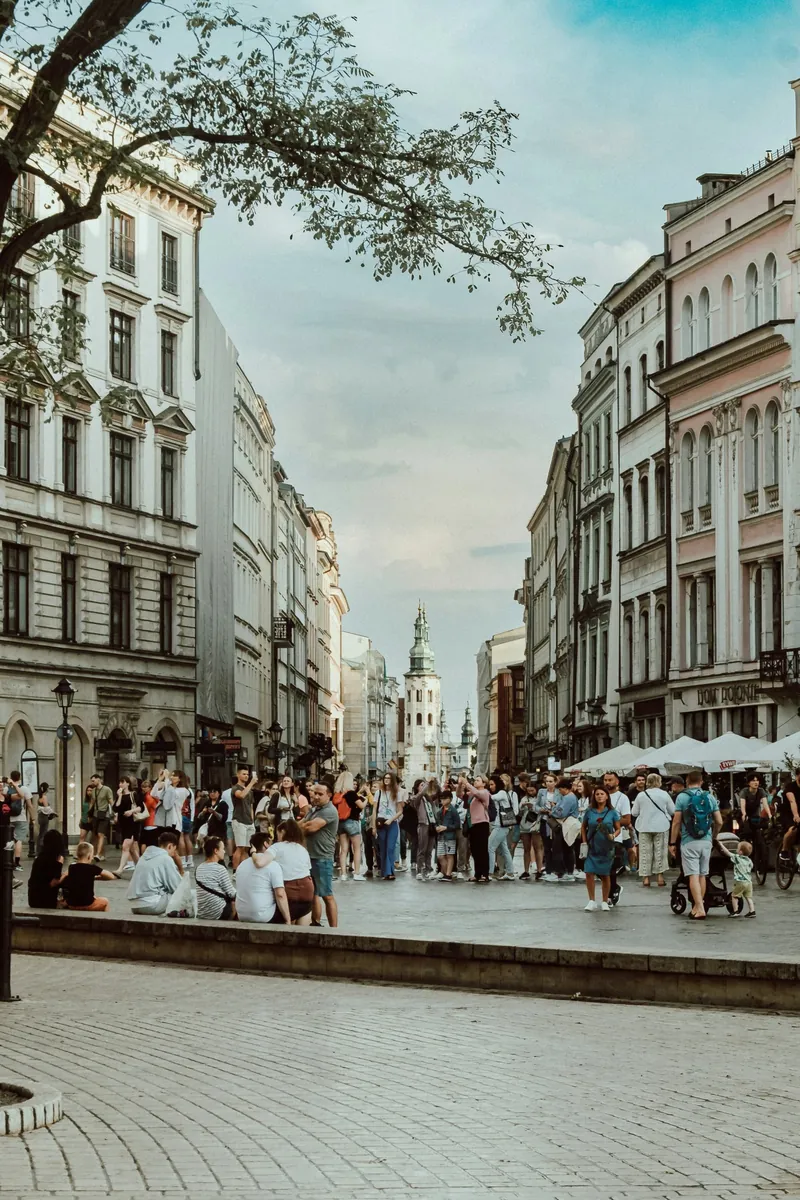
Kraków, Gdańsk, Wrocław and Warsaw each have a completely different personality – royal, Hanseatic, Central European, rebuilt-and-reborn – and their historic centres are compact enough to explore on foot in a day.
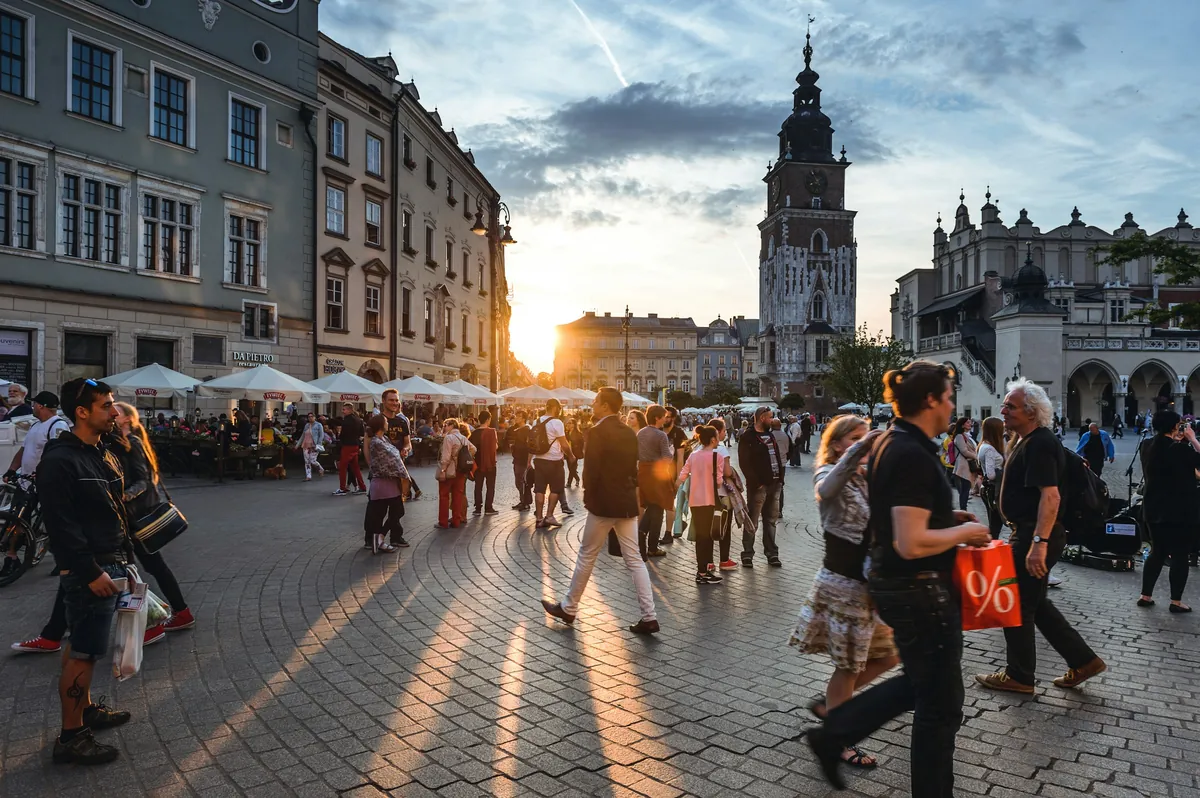
A thousand years you can touch
Castles, Gothic churches, UNESCO World Heritage Sites and museums that deal honestly with a difficult past. History here is not behind glass; you walk through it.
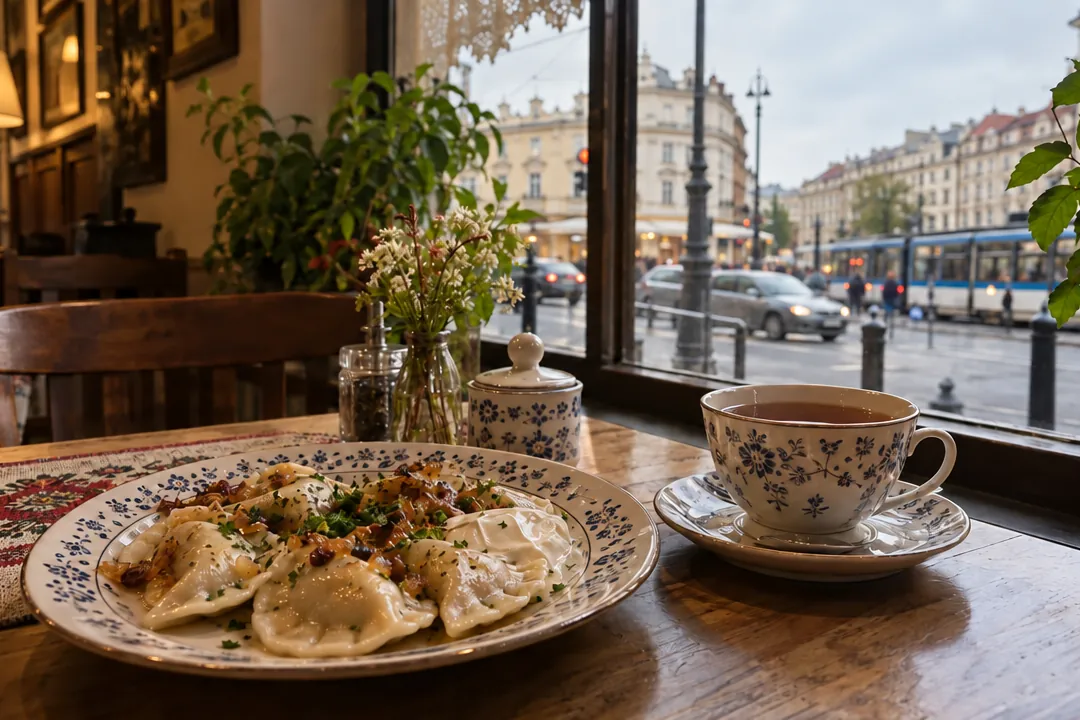
Pierogi, żurek and a bakery on every corner
Hearty traditional food, bakeries and cafés everywhere, and an excellent new restaurant scene – usually at prices well below Western Europe.
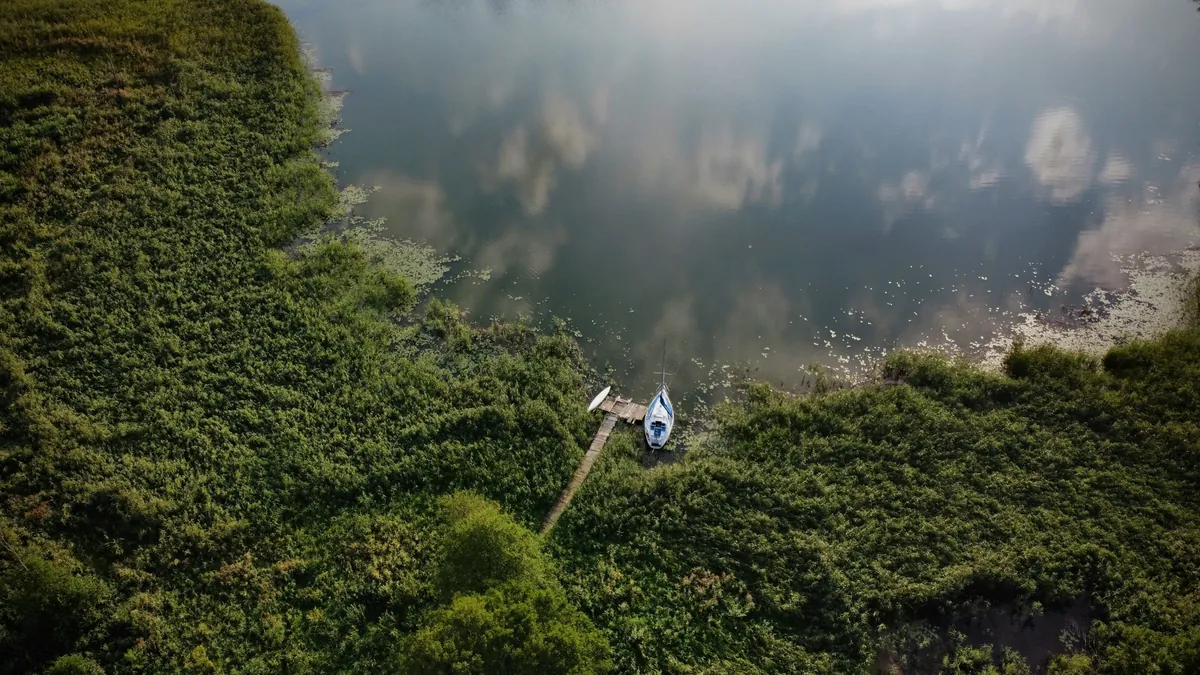
Forest, lake, sea or mountains – never far away
Ancient forests, the Masurian lakes, the Baltic beaches and the Tatra mountains are rarely more than a few hours from a big city.
Big-city experiences at small-city prices
Eating out, public transport, concerts and many everyday services cost noticeably less than in Germany, the UK or Scandinavia – although prices in the big cities have risen quickly in recent years.
Reserved at first, generous for life
Poles can seem formal with strangers, but they are helpful, curious and hospitable once you start talking. Learn dzień dobry (good day) and dziękuję (thank you) and you will see it straight away.
Quick answers
- Does Poland use the euro? No. The currency is the Polish złoty (PLN). Cards are accepted almost everywhere; see Money & payments.
- Do people speak English? Most younger people and almost everyone working in tourism do. German is common near the western border.
- What plugs does Poland use? Type E sockets, 230 V – the same as in most of continental Europe.
- Do I need a visa? Poland is in the EU and the Schengen area, so the usual Schengen rules apply. Check the official requirements for your nationality before you book.
- Is Poland safe? Yes – visitors rate it highly for safety – but read our Safety & scams chapter for the few tricks that catch tourists out.
Poland in brief
Poland sits in the middle of Europe, between Germany and the Baltic Sea to the west and north, and Ukraine, Belarus and Lithuania to the east. It is a large country by European standards – a little over 312,000 km², with about 37 million people – and a varied one: sandy Baltic beaches and dunes in the north, a belt of lakes in Masuria, wide farmland and ancient forest in the middle and east, and the Tatra and Carpathian mountains along the southern border.
The basics a visitor needs:
| Capital | Warsaw |
| Language | Polish; English is widely spoken by younger people and in tourist areas, German is common near the western border |
| Currency | Polish złoty (PLN); the euro is not used in shops |
| Time zone | Central European Time (CET/CEST) |
| EU and Schengen | Member of the EU since 2004 and of the Schengen area since 2007 |
| Plugs | Type E, 230 V |
| Emergency number | 112 |
A thousand years of history in five minutes
Poland's story as a state is usually dated from 966, when its ruler Mieszko I was baptised. In the late Middle Ages and the early modern period, the Kingdom of Poland and the Grand Duchy of Lithuania formed one of Europe's largest states, the Polish–Lithuanian Commonwealth. Its constitution of 3 May 1791 is often described as the first modern written constitution in Europe.
A few years later the country vanished from the map: between 1772 and 1795 it was partitioned by Russia, Prussia and Austria, and for 123 years there was no Polish state. Independence returned in 1918. The Second World War was catastrophic – Warsaw was almost completely destroyed, and the German Nazi camps built on occupied Polish territory, including Auschwitz-Birkenau, are among the most important memorial sites in the world.
After 1945 Poland became a communist state in the Soviet sphere. The Solidarity movement, born in the Gdańsk shipyard in 1980, was the first independent trade union in the Eastern Bloc, and the round-table talks and partly free elections of 1989 started the fall of communism across the region. Poland joined NATO in 1999 and the European Union in 2004, and its economy has been one of the fastest-growing in Europe since.
You see this history everywhere: in rebuilt old towns (Warsaw's Old Town is a faithful post-war reconstruction and a UNESCO World Heritage Site), in communist-era housing estates and milk bars, and in a strong sense of national memory.
How many people visit
Poland has become a popular destination. In 2025 the country recorded about 15.2 million arrivals of foreign tourists, around 13% more than a year earlier, according to official statistics. Polish airports handled a record 66 million passengers in the same year. The busiest destinations for foreign visitors are Kraków, Warsaw, Gdańsk and Wrocław, but the mountains, the Baltic coast and the lakes are increasingly popular too.
Getting around
Poland's transport network has changed beyond recognition in the last twenty years.
- By air – Warsaw Chopin is the main international airport; Kraków, Gdańsk, Katowice, Wrocław and Poznań have frequent flights across Europe.
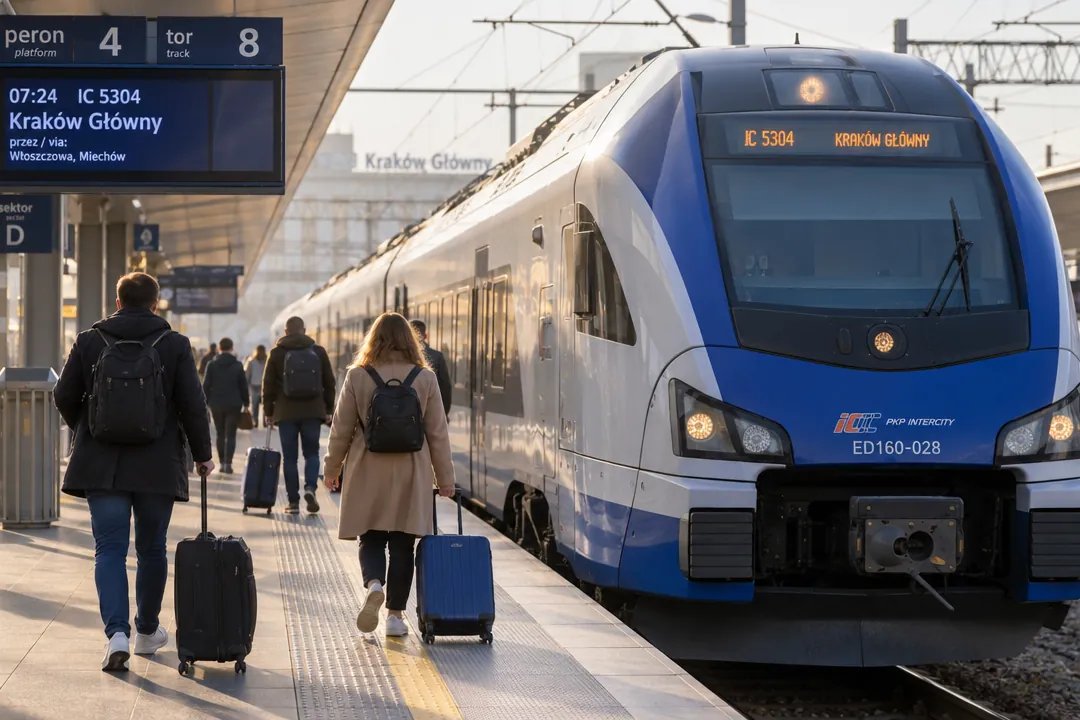
- By train – fast intercity trains link the main cities (Warsaw–Kraków or Warsaw–Gdańsk take under three hours). Book long-distance tickets in advance at busy times.
- By road – the network of motorways and expressways passed 5,000 km in 2025. Some motorway sections are tolled. A car is the easiest way to reach the lakes, the mountains and small towns; local car rental companies are often cheaper than the big international brands.
- In cities – trams and buses are cheap and frequent; ride-hailing apps work in all large cities. See our guide to taxis and airport rides.
The essentials, chapter by chapter
Before you travel, it is worth reading these chapters of the guide:
- Money & payments – cards are accepted almost everywhere, but you should know when cash helps, how to avoid poor exchange rates and how Tax Free works.
- Phone & internet – an eSIM or a local SIM card, and the apps that make everyday life easier.
- Health & insurance – what to do in an emergency, public and private healthcare, and the insurance you need.
- Safety & scams – Poland is a safe country, but there are a few tricks that catch visitors out.
- Shops & opening hours – most shops close on Sundays, so plan your grocery shopping.
- Weather and what to pack – what to expect month by month.
Staying for longer? Start with Living in Poland. Coming from Germany for the day? See Einkaufen in Polen. And when you are hungry, our companion guide Milk Bar Crawl shows where to eat honest Polish food for a few złoty.
Sources
- Polish Tourism Organisation, Obcokrajowcy o Polsce 2024 (visitor survey)
- Statistics Poland (GUS) tourism data for 2025, as reported by National Geographic Polska
- Polish airports' 2025 traffic figures, as reported by pasazer.com
- GDDKiA road network data, as reported by Forsal (August 2025)
Prices and opening hours change – we re-check them regularly. Spotted something out of date? Let us know.