Health & insurance
Seeing a doctor in Poland: public vs private clinics
Poland's doctors are well trained and its private clinics are among the most efficient in Europe. The public system is free for insured patients but can be slow. Knowing which door to knock on – and when – saves time, money and stress.
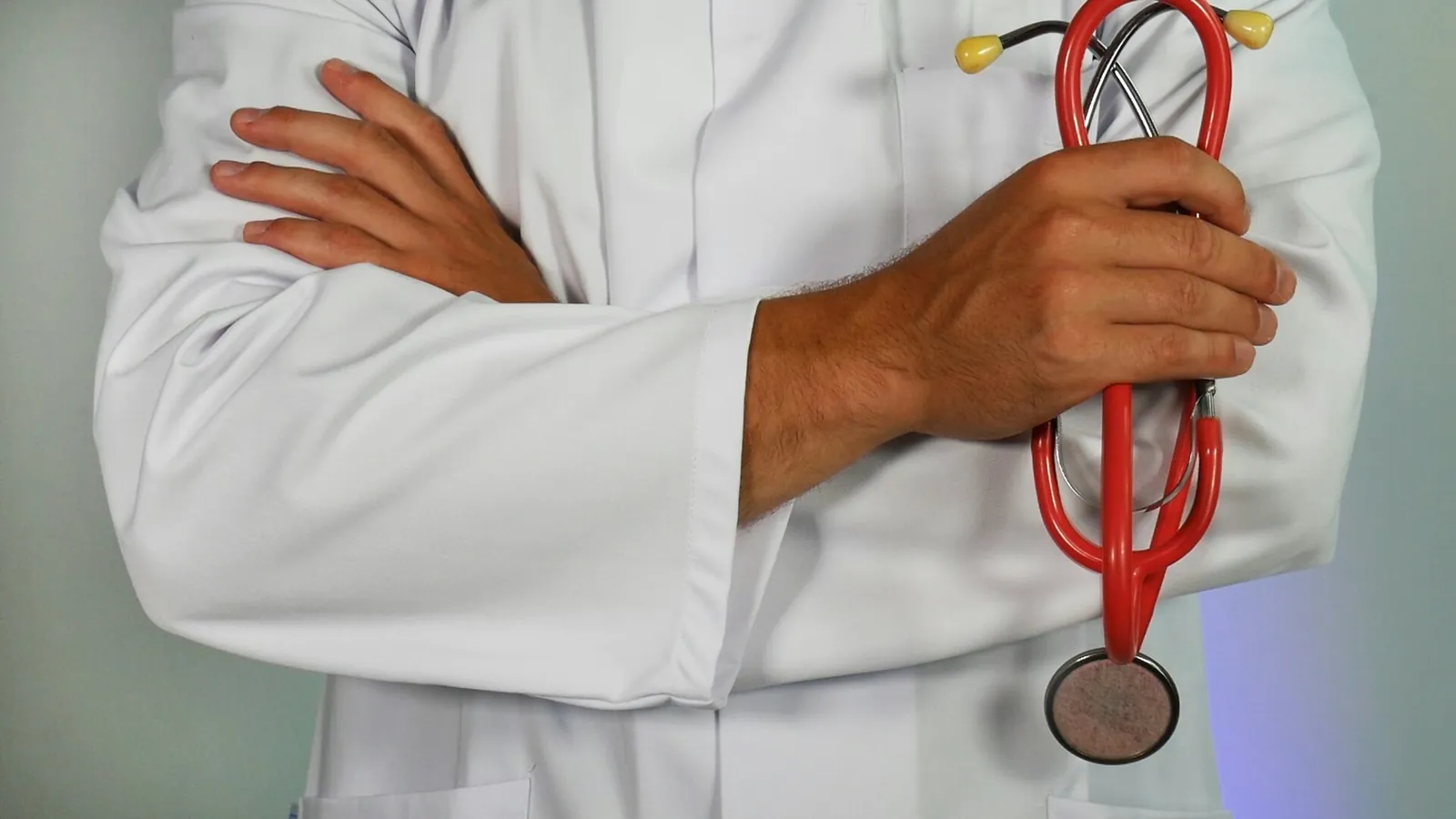
Fall ill on holiday in Poland and you will find two healthcare systems running side by side. The public one, funded by the national health fund, the NFZ, is free for Polish patients and for Europeans with a health card – but waiting lists for specialists are long. The private one, run by large clinic chains and thousands of independent practices, is quick, modern and often English-speaking, and costs a fraction of what you would pay in the US or Western Europe.
Most visitors who need a doctor end up in a private clinic, paid by their travel insurance. But the public night and weekend clinics are a good option too – especially if you have an EHIC or UK GHIC.
Which door to knock on
| Your situation | Where to go | Cost |
|---|---|---|
| Life-threatening emergency – chest pain, serious injury, breathing problems, heavy bleeding | Call 112 or 999, or go to a hospital emergency department (SOR) | Free for EHIC/GHIC holders; otherwise you are billed |
| Urgent but not life-threatening in the evening, at night or at the weekend – high fever, ear infection, stomach bug | Night and holiday clinic (nocna i świąteczna opieka zdrowotna) | Free with EHIC/GHIC; otherwise you pay |
| Something that needs a doctor today during the week | A private clinic – walk in or book online | Usually 200–300 zł for a GP visit |
| A minor problem – cold, upset stomach, sunburn, insect bites | A pharmacy (apteka) | The price of the medicine |
| Toothache | A private dentist | From a few hundred złoty |
Public healthcare (NFZ)
The NFZ – Narodowy Fundusz Zdrowia – pays for public healthcare in Poland. With a European Health Insurance Card (EHIC) or a UK GHIC you can use it on the same terms as Polish patients, but only at facilities that have a contract with the NFZ. More in our guide to travel insurance and the EHIC.
Night and holiday clinics
These clinics fill the gap when family doctors are closed:
- Hours: weekdays from 18:00 to 8:00, and 24 hours at weekends and on public holidays.
- No appointment and no referral are needed, and you can go to any one – there are no catchment areas.
- They treat sudden illness that cannot wait: fever, infections, pain that painkillers do not help, vomiting and diarrhoea, especially in children.
- They can issue an e-prescription, which you collect at any pharmacy with a code.
Find the nearest one on the patient portal pacjent.gov.pl, or call the free NFZ helpline 800 190 590 (24/7).
Hospital emergency departments (SOR)
For serious problems go to the Szpitalny Oddział Ratunkowy (SOR). Patients are seen in order of medical urgency, not arrival, so with a minor problem you may wait many hours – a night clinic or a private doctor is usually faster.
Private clinics
Poland has a large private sector, from nationwide chains such as Medicover, Lux Med and Enel-Med to small independent practices. For a visitor, private clinics have clear advantages:
- Appointments the same or next day, often bookable online.
- English-speaking doctors are common in the big cities – look for “English-speaking doctor” in the booking system.
- Fixed, published prices. A short visit to a GP or internist costs around 200–300 zł in the big cities; specialists cost more.
- Travel insurance often pays directly if you call your insurer's assistance line first – they will send you to a partner clinic.
Keep every invoice and the doctor's report: you will need them to claim the cost back.
Pharmacies
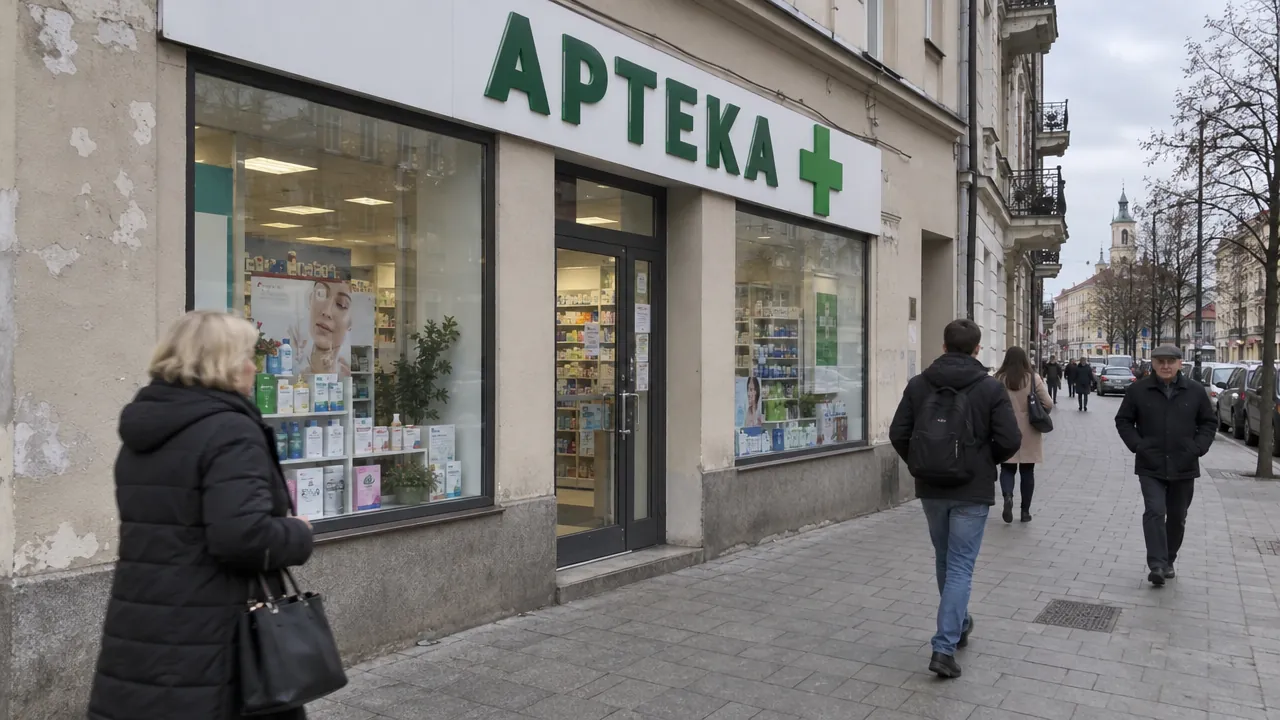
Pharmacies (apteka, marked with a green cross) are everywhere, and pharmacists are a good first stop for minor problems; in cities, many speak English. Common painkillers, cold remedies and allergy tablets are sold over the counter. Antibiotics and many other medicines need a prescription from a doctor working in Poland.
In every city there is at least one 24-hour pharmacy (apteka całodobowa) – search for it in Google Maps or ask at your hotel.
If you fall ill: step by step
- In an emergency, call 112 – operators speak English.
- With travel insurance, call the assistance number on your policy before you see a doctor, unless it is an emergency.
- With an EHIC or GHIC only, use an NFZ clinic, a night and holiday clinic or a hospital SOR, and show your card and passport.
- Keep receipts and reports for every visit and every medicine.
More in our guides to emergency numbers and night pharmacies and dentists in Poland.
Sources
- NFZ (National Health Fund): night and holiday care – hours, no referral or catchment area, e-prescriptions, helpline 800 190 590; hospital emergency departments
- Expatistan: price of a short private doctor's visit in Warsaw and Kraków (user-reported, 2026)
- NFZ: European Health Insurance Card – treatment in Poland
Prices and opening hours change – we re-check them regularly. Spotted something out of date? Let us know.